
As a general rule, cooked lentils last in the fridge for 3 to 4 days, as long as they have cooled down properly, been stored in a clean, closed container, and your fridge is holding a suitable temperature. If they contain meat, chorizo, morcilla (Spanish blood sausage), rice or other more delicate ingredients, it is safer to eat them within about 2 or 3 days.
If you searched for how long lentils last in the fridge, that is the quick answer: 3 or 4 days as a reasonable guide. Even so, you should not look only at the calendar. Smell, texture, whether they sat out for a long time, how they were reheated and which part of the fridge you put them in all matter too.
In Spain it is very common to cook a big pot of lentils to last several days, especially in autumn and winter, or to leave portions prepared for the week. It is practical and saves time, but you need to store them with a little method so you avoid wasting food and eat them in good condition.
In this guide you will find the approximate timeframes, how to cool them, where to put them in the fridge, when to throw them away and when it is better to freeze them. If you usually plan meals for several days ahead, this article on weekly batch cooking may also help.
How long lentils last in the fridge
Cooked lentils, whether stewed, cooked with vegetables or made as a traditional hearty stew, usually keep well in the fridge for 3 to 4 days. This timeframe is approximate and depends on several factors: the real temperature of your fridge, how long they sat out before you stored them, the ingredients they contain and whether the container was clean.
To put it in practical terms, if you cook lentils on Monday morning and store them properly that same day, the normal thing is to eat them between Tuesday and Thursday. By Friday you would be at the limit or past it, especially if they contain cured sausage, meat or rice.
| Type of cooked lentils | Approximate fridge life | Practical tip |
|---|---|---|
| Lentils with vegetables | 3 to 4 days | Store them in shallow, closed containers |
| Lentils with chorizo, meat or morcilla (Spanish blood sausage) | 2 to 3 days | Eat them sooner and reheat only the portion you need |
| Lentils with rice | 1 to 2 days | Don't leave them for many days, rice is more delicate |
| Lentils that have already been reheated | Best eaten the same day | Avoid reheating the whole pot several times |
| Thawed lentils | 1 to 2 days in the fridge | Don't refreeze them once they have thawed |
These timeframes do not replace common sense. If the lentils smell odd, have bubbles, feel slimy or have changed in appearance, it is better not to eat them even if not many days have passed.
How to store cooked lentils so they last longer
How you store them makes a huge difference. Lentils that sit on the counter all afternoon are not in the same situation as lentils that were cooled and put in the fridge soon after cooking.
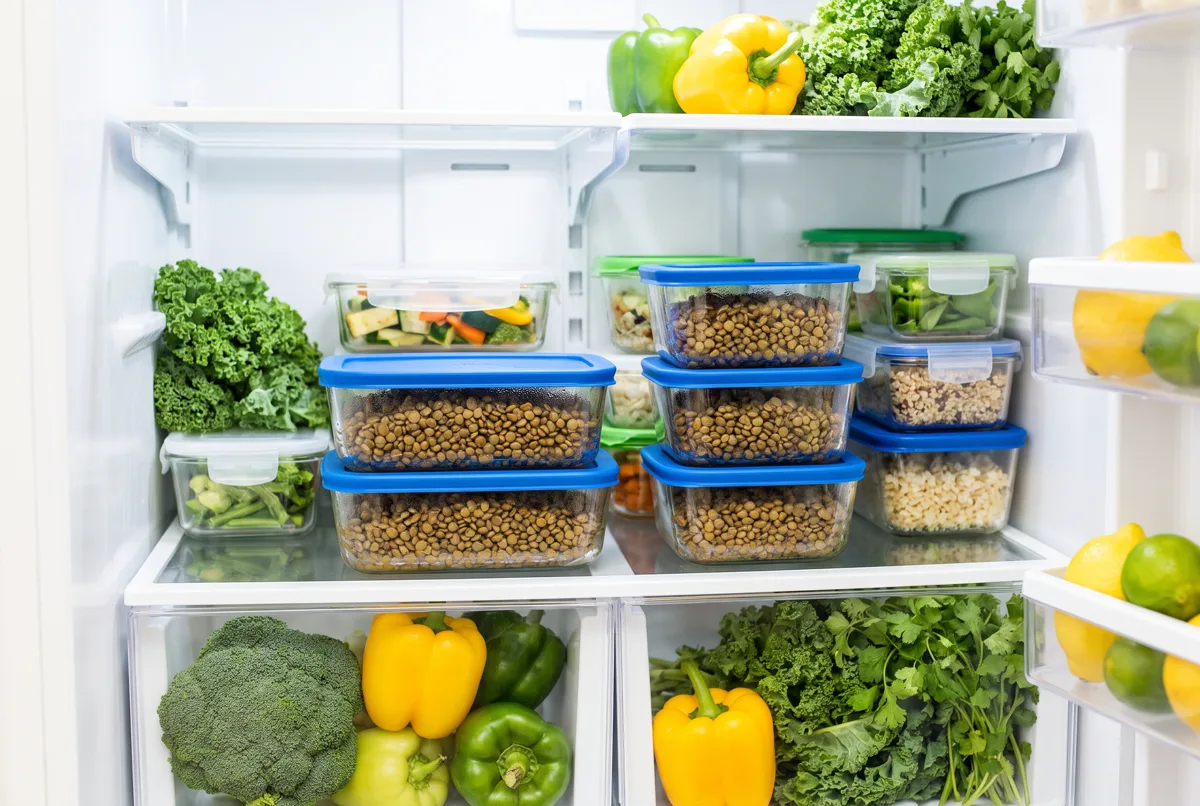
Cool them first, but don't forget them on the counter
Don't put a huge pot of boiling lentils straight into the fridge, because it can raise the internal temperature and affect other foods. But it is also not a good idea to leave them for hours at room temperature. The most practical approach is to divide them into smaller, shallow containers so they lose heat faster.
As a general guide, try not to leave them out of the fridge for more than about 2 hours. In summer, in very hot kitchens or if your home is very warm, it is better to shorten that time. This figure is approximate and can vary depending on the case, but it works as a sensible household reference.
Use clean, tightly closed containers
The ideal is to store lentils in glass or plastic food containers that are suitable for food, with a lid that closes well. Avoid leaving them in the pot if it takes up a lot of space, if the lid doesn't fit well or if you are going to be opening and closing the fridge many times.
- Divide them into portions so you don't reheat more than necessary.
- Leave a little room in the container, because the stew can expand slightly if you freeze it later.
- Put the cooking date on a label or note it in your weekly plan.
- Don't mix freshly made lentils with older leftovers.
If you find it hard to remember which day you cooked each dish, you can write it down in a kitchen planner or a weekly planner. The Canvartin: Planner & Appointments app lets you note tasks, reminders and menus, and even print A4 planners from your phone if you prefer to keep them on the fridge or in a folder.
Organising the week's portions avoids last-minute doubts and helps you make better use of what you have already cooked.
Where to put lentils inside the fridge
Not all areas of the fridge are equally cold. For cooked foods such as lentils, it is best to put them on a middle or upper shelf, tightly closed and separate from raw foods. Avoid the door, because it usually has more temperature swings from opening and closing.
It is also a good idea not to push the container right against the back wall if your fridge builds up frost or cools unevenly, because some parts can end up too cold and others not cold enough. If you have doubts about the right temperature, it may help to read this guide on what temperature the fridge and freezer should be.
Recommended order
- Top or middle area: foods that are already cooked, such as lentils, rice, pasta or prepared chicken.
- Bottom: well-wrapped raw foods, to avoid drips onto ready-to-eat food.
- Drawers: fruit and vegetables, depending on your fridge's design.
- Door: drinks, sealed sauces and products that are less sensitive to temperature changes.
If your fridge is usually full, try to leave a little space between containers so cold air can circulate. You don't need to be obsessive, but an overcrowded fridge cools less well and makes it harder to see what you have. To improve your overall organisation, you can read how to organise your fridge so food lasts longer.
Signs that lentils have gone bad
Besides counting the days, check the lentils before eating them. Sometimes a stew spoils sooner than expected because it was left out too long, because the container didn't close properly or because the fridge wasn't cooling correctly.

Throw the lentils away if you notice any of these signs:
- Sour, strong or strange smell: if it smells bad when you open the container, don't taste it to check.
- Slimy or slippery texture: especially on the surface or when stirring.
- Bubbles or odd foam: if they appear when you are not heating the stew.
- Mould: even if it is a small spot, throw away the whole portion.
- Sour or odd taste: if you have already tasted them and notice something strange, don't keep eating.
- Swollen container: in very tightly sealed containers, this can indicate fermentation or spoilage.
It is not a good idea to try to “fix” questionable lentils by boiling them for a long time. Heating can improve the look or smell in some cases, but it does not turn spoiled food into something safe to eat. When in reasonable doubt, it is better to throw them away, even if it feels like a waste.
How to reheat lentils stored in the fridge
The best approach is to reheat only the portion you are going to eat. That way you avoid heating and cooling the whole pot several times, which is one of the most common ways of shortening a stew's shelf life.
- Take out of the fridge only the amount you need.
- Put it in a saucepan or a container suitable for heating.
- Add a splash of water if they are very thick.
- Heat while stirring so the heat spreads evenly.
- Check that they are piping hot in the centre, not just around the edges.
- Serve and eat the portion straight away.
If you use a microwave, stir halfway through heating because thick stews can heat unevenly. Let them rest for a minute and stir again before eating.
How many times you can reheat them
As a cautious rule, try to reheat each portion only once. If you heat a whole container, eat part of it and put the rest back in the fridge, that rest has already gone through another temperature change. It doesn't mean it will spoil instantly, but it does increase the risk and reduce your margin.
That is why individual portions work so well: one for today, another for tomorrow and the rest in the freezer if you won't get to them in time.
An organised kitchen also frees up mental space: you know what to eat, what to freeze and what needs using up first.
When to freeze lentils instead of keeping them in the fridge
If you are not going to eat the lentils within the next 3 days, it is usually better to freeze them as soon as possible. Don't wait until day four to decide, because freezing doesn't make food fresh again. The ideal is to freeze them the same day you cook them or the next day, when you already know how many portions you will need in the fridge.
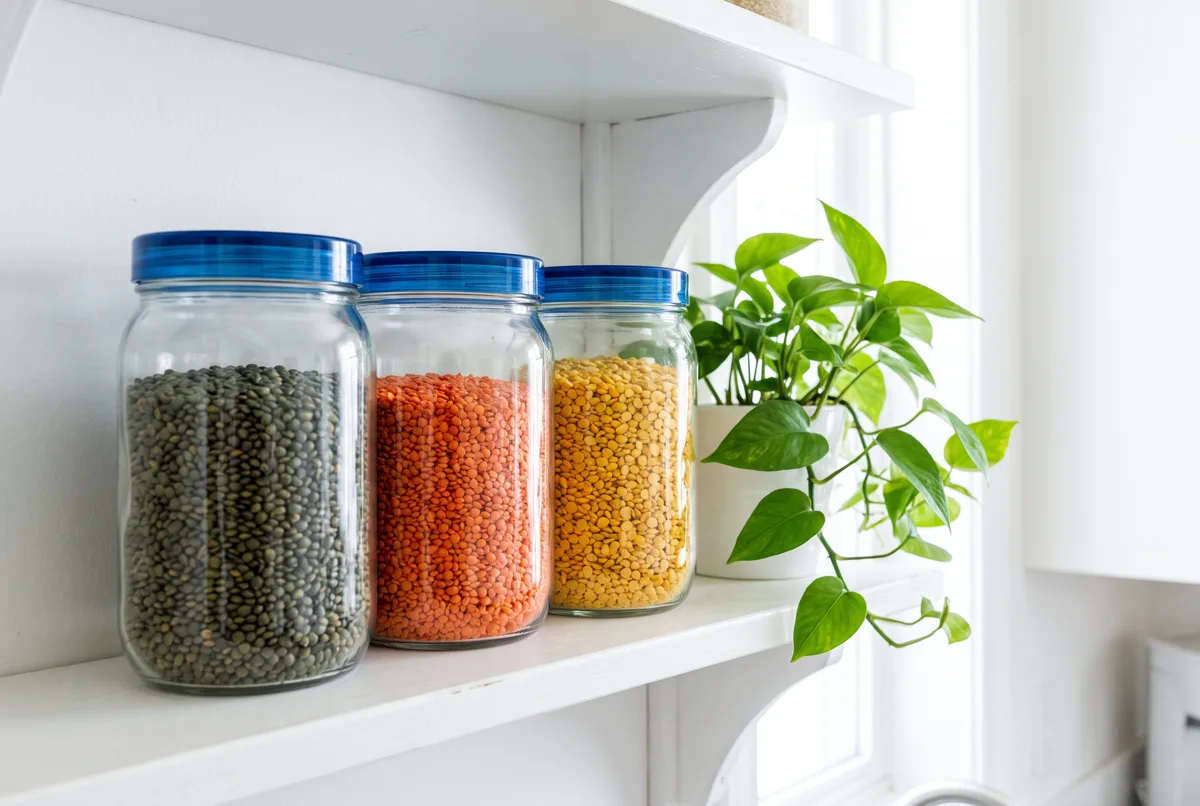
Cooked lentils freeze quite well, especially if they are stewed with vegetables. They may lose a little texture when thawed, but they usually turn out pleasant if you heat them slowly and stir. As a household guide, it is best to eat them within about 2 or 3 months so they keep their flavour and texture better. They can last longer in the freezer, but quality may drop.
How to freeze them step by step
- Let the lentils lose some heat, without leaving them out for hours.
- Divide them into individual or family-sized portions.
- Use freezer-safe containers or tightly sealed bags.
- Label them with the name and the date.
- Leave some free space if the container is very full.
- Freeze them in a stable spot, not in the door if your freezer has one.
To thaw them, the most convenient way is to move them to the fridge the night before. If you are in a hurry, you can heat them straight from frozen over a low heat, adding a little water and stirring patiently. Avoid leaving them to thaw for many hours on the counter.
If you want to organise your menus and portions better, you can combine this habit with a weekly menu planner. It is also a simple way to cut down on impulse shopping, along with ideas like those in how to save money on food in Spain. Any savings figures you work out will always be approximate and will depend on your usual prices, your area, your schedule and the way you shop.
Common mistakes when storing cooked lentils
Many problems with lentils don't come from the recipe but from small slip-ups when storing them. These are the most common:
- Leaving the pot out until evening: it happens a lot after lunch. If they have been sitting at room temperature for too many hours, it is better not to risk it.
- Storing a large, very hot pot: it takes longer to cool and can affect the fridge's temperature.
- Not adding a date: by the third day you no longer remember whether you cooked them on Monday or Tuesday.
- Reheating everything several times: it shortens the storage margin.
- Using poorly closed containers: they dry out, pick up odours and keep less well.
- Mixing new and old leftovers: it makes it hard to know the timeframe for each portion.
- Getting complacent because “they're only pulses”: cooked lentils are also prepared food and need refrigeration.
A simple trick is to decide what happens to the lentils right after you eat: one portion for tomorrow, another for the day after and the rest into the freezer. It takes a few minutes and saves you from opening the fridge three days later wondering whether they are still okay.
A practical example for a pot of lentils
Imagine you cook a pot of lentils on Sunday at midday to get ahead on the week's meals. A reasonable plan could be this:
- Sunday: you eat one portion and divide the rest into containers once they have lost some heat.
- Monday: you keep a portion in the fridge for lunch or dinner.
- Tuesday: you eat another refrigerated portion.
- Wednesday: last fridge portion, if it has been stored well and doesn't contain more delicate ingredients.
- Remaining portions: frozen from Sunday or Monday.
If the lentils contain rice, meat or chorizo, or if they sat out for quite a while, shorten the plan: eat them sooner and freeze more. If there are several of you at home and you will eat them quickly, you may not need to freeze any. If you live alone or know you will alternate with other dishes, the freezer is your ally.
This same approach works for other cooked foods. For example, if you also prepare side dishes, you may want to know how long cooked rice lasts in the fridge or how long cooked pasta lasts in the fridge.
Frequently asked questions
How long do lentils last in the fridge if they contain chorizo
As a rough guide, between 2 and 3 days. Because they contain cured sausage or meat, it is better not to push it to the fourth day, and to reheat only the portion you are going to eat.
Can you eat lentils after 5 days in the fridge
It is not the most advisable. Even if they smell fine, 5 days is usually too long for a refrigerated homemade stew. It is safer to freeze them earlier if you know you won't eat them in time.
Do you need to let lentils cool before putting them in the fridge
Yes, but without leaving them forgotten on the counter. Divide them into shallow containers so they cool faster, and put them in the fridge as soon as they have lost a good amount of heat.
Can you freeze cooked lentils
Yes, they freeze well. The ideal is to do it the same day or the day after cooking them, in portions and with a date. For better quality, eat them within about 2 or 3 months.
What should I do if the lentils smell a bit sour
It is better to throw them away. A sour, odd or stronger-than-normal smell can indicate they have spoiled, even if they look acceptable.
Is it better to store lentils in the pot or in a container
It is better to use clean, closed containers that are not too big. They cool faster, take up less space and let you separate portions so you don't have to reheat the whole stew.