
The stress-relief games that can help you switch off the most are the ones that let you move forward without rushing, make mistakes without being punished and stop whenever you decide. That could be a jigsaw puzzle, a plant-care game on your phone or a simple activity with playing cards. How a game makes you feel matters more than whether it is labelled "relaxing".
If you have searched for "stress-relief games", you will have found very different suggestions: some have gentle movements and pleasant sounds, while others hide countdown timers, constant ads or rewards that nudge you to keep going when you already wanted to stop. Not all of them suit a real break.
Here you will find options with and without a screen, criteria for choosing, and a practical way to try them without turning your downtime into one more chore. These are leisure activities, not treatments or a fix for everything that worries you.
What makes stress-relief games genuinely pleasant
There is no game that relaxes everyone. One person enjoys sorting pieces by colour, while another gets irritated when they can't find the missing one. To start with, look for an activity with few demands and rules you can grasp without studying a long tutorial.
- Your own pace: you can think, repeat or sit still without losing.
- Reversible mistakes: a misplaced piece can be moved, and you don't have to start again from scratch.
- A small goal: completing a figure or looking after a plant, not maintaining an endless collection.
- Adjustable stimuli: you can turn off music, vibration or effects that bother you.
- An easy exit: you can stop without losing what you have done or getting insistent notifications.
The most useful check is a simple one: when you finish, is it easy to close the game and move on to something else? If you end up worrying about going back so you don't lose a reward, it may keep you entertained, but it might not be what you want for resting.
You don't need to empty your mind either. It can be enough to focus on a small task that has no consequences outside the game.
Stress-relief games for your phone: which ones are worth trying
Your phone has one advantage: it is usually within reach. The downside is that it shares space with messages, work and notifications. Before opening a game, silence any notifications you can put off and avoid switching between the game and pending conversations.
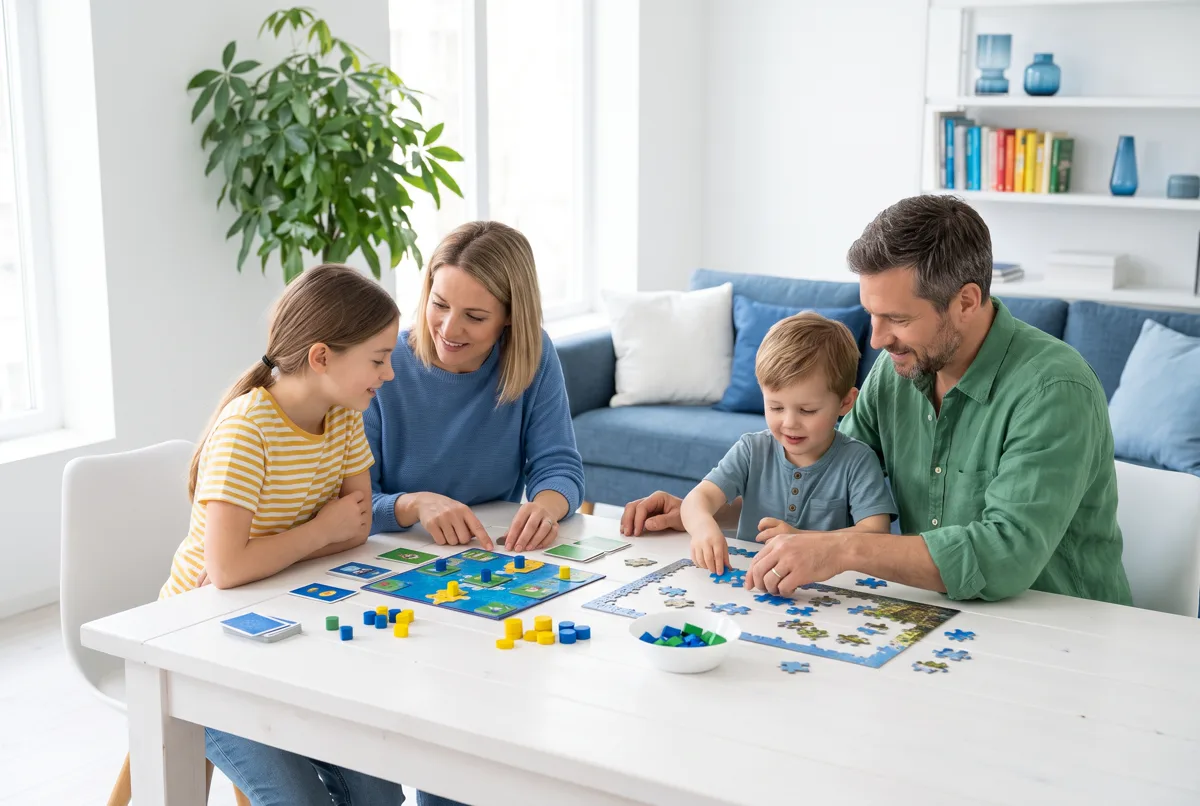
Puzzles without a clock and sorting games
Fitting shapes together, connecting paths or grouping objects can be a good option if you like having a clear goal. Choose levels that let you undo moves and check that the difficulty doesn't jump up suddenly. A pretty design doesn't make up for a game that makes you repeat things out of obligation.
If tidying a virtual house reminds you of everything still to be put away in your own, change the theme. You don't have to enjoy organising during your break as well.
Small-task simulators
Watering, cleaning a surface or preparing an object are repetitive actions that some people find pleasant. Look for simple interaction, with no angry customers, urgent orders or scores that depend on speed.
For example, Canvartin: Home Simulator, available for iPhone, offers small tasks such as peeling potatoes, looking after plants, cleaning windows or washing dishes, with relaxing sounds. It may suit you if you like that kind of virtual household activity; if those tasks overwhelm you, you might prefer an abstract puzzle.
Games with sounds and gentle movements
Some games focus on touching virtual materials, moving sand or listening to repetitive sounds. Try them first with the volume low and check whether you can play with the sound off. What another person finds pleasant may bother you.
If you want to understand this kind of experience better, you can read what ASMR is and why some people find it relaxing. You don't need to feel anything special to enjoy a calm activity.
Before installing, check the store listing for ads, purchases, permissions and whether a connection is required. Features and terms can change depending on the version; check the ones shown on your device.
If you find it hard to put your phone away because you remember something pending, writing it down on paper can help you leave it for later without having to solve it during your break.
Screen-free games to rest from your phone too
You don't need to buy a kit or fill a drawer with materials. Start with what you already have and set up only what you need so you can put it away without effort. These options let you play alone and adapt to the space available.
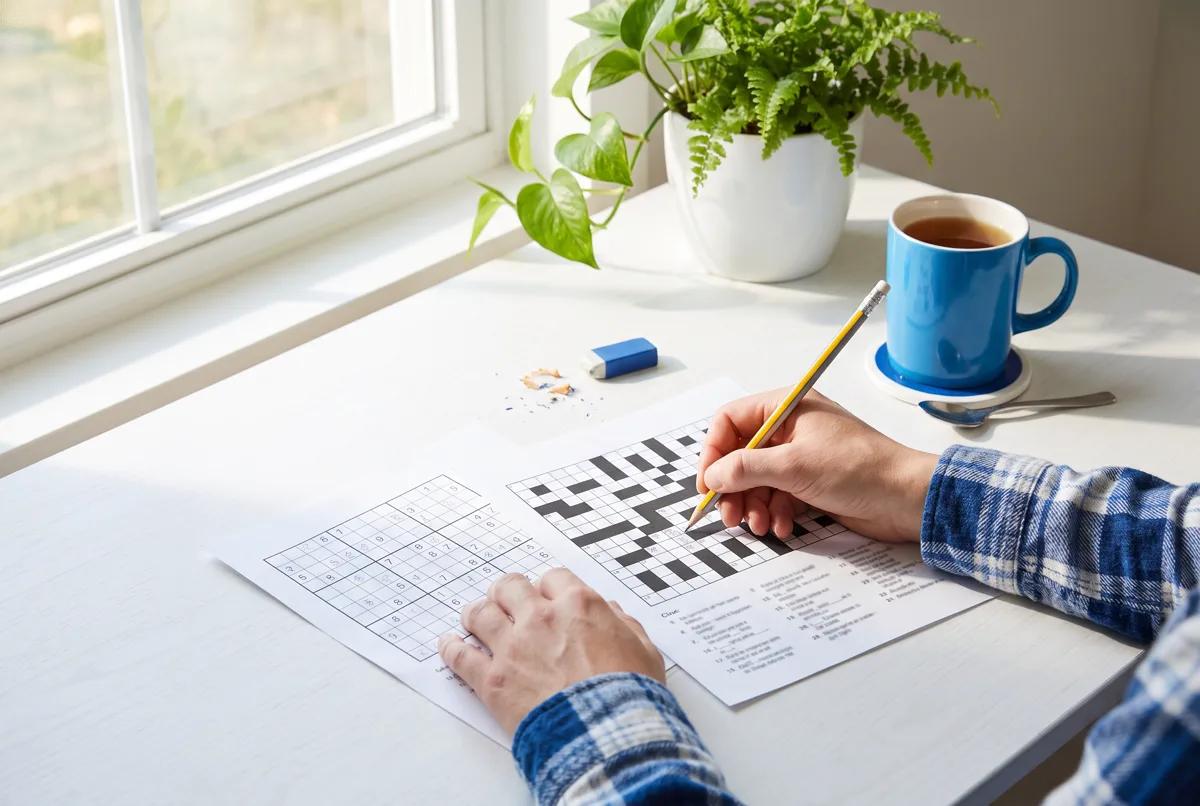
A jigsaw puzzle, one small area at a time
Choose an image with colours or areas that are easy to tell apart. Instead of aiming to finish it, look for the pieces of one specific object or join up a small group. You can build it on a tray so you can move it aside when you need the table.
If searching through lots of pieces frustrates you, leave only part of them out. There is nothing wrong with choosing an easy difficulty: you are not sitting an exam here.
Cards and matching pairs without competing
With a deck of cards you can sort by suit, lay out a solitaire game you already know or look for pairs with the cards face up. There is no need to keep score or time yourself. If you play with someone, you can work together to complete a layout instead of competing.
It is best to pick rules you know. Learning a complex game can be entertaining, but it may not appeal after a day full of decisions.
Colour patterns and repeated drawings
Colouring shapes, continuing a sequence or filling in a grid with patterns can work as a small visual game. Limit your materials to a few colours and start with one area, without pressuring yourself to finish the whole page.
If you prefer a ready-made base, you will find ideas in this guide to getting started with colouring mandalas. If small details tire you out, choose large shapes or draw your own circles and lines.
Building and things for your hands
Stacking blocks, making shapes with large pieces or moulding a ball of reusable modelling dough are alternatives for when you don't want to solve puzzles. The goal can be as simple as building something and taking it apart afterwards.
If you want a more tactile experience, the guide to stress-relief toys and their types has criteria for comparing materials and uses. If there are children at home, follow the age guidelines and keep small pieces out of their reach.
Screens and physical materials don't have to compete: you can choose one or the other depending on whether you feel like touching, listening or simply keeping yourself busy with a small task.
How to choose based on the kind of tiredness you have
Instead of looking for the best game in general, think about what you have too much of right now: decisions, noise, screen time or a sense of obligation. This table is a starting point, not a fixed rule.
| If this is happening to you right now | You could try | Better to avoid |
|---|---|---|
| You have spent the day looking at screens | A physical jigsaw puzzle, cards or patterns on paper | Opening another app out of habit |
| You don't want to make any more decisions | Repeating a simple action or copying a figure | New rules and lots of options |
| Noise bothers you | Colouring or playing with the sound off | Effects you can't mute |
| You find it hard to leave a game half finished | A small figure or a round with a clear ending | Chained missions and daily rewards |
| You'd like company | A shared jigsaw puzzle or a simple cooperative game | Competing if it feels uncomfortable today |
You may also find that you don't feel like playing today. Listening to music, sitting for a while or looking out of the window are equally valid options. Rest doesn't need a visible result.
How to take a break without turning it into another obligation
You don't need to schedule every free moment. It can help, though, to prepare a break with a recognisable start and finish, especially if you tend to link one thing to the next.
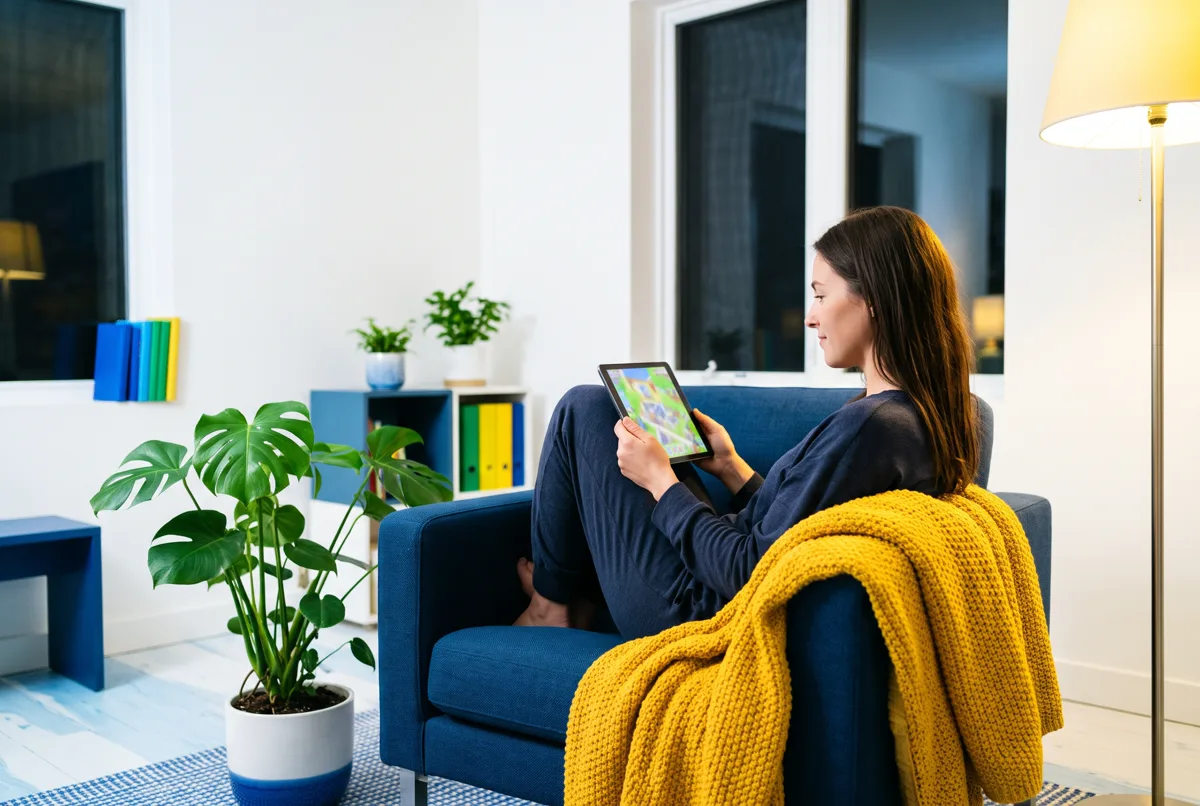
- Choose before you open your phone. Decide whether you want a tactile, visual or sound-based activity. That way you avoid spending the break searching.
- Prepare the bare minimum. Keep the deck of cards or the puzzle tray within reach. If you use an app, go straight into it.
- Set a simple endpoint. Completing a figure, sorting one suit of the deck or finishing a virtual task. You don't have to finish the whole game.
- Notice how it is making you feel. If you start getting annoyed, rushing or watching ads to keep going, you can stop sooner.
- Finish without adding chores. Put away only what is essential and carry on with your day. You don't need to log a streak or rate your performance.
If what you find hard is moving from work to personal time, you can pair this break with some ideas on how to switch off from work when you get home. Try to keep it a simple transition, not a new list of demands.
And if you share your home, you can let people know you are going to be doing your own thing for a while. You don't have to use every break to put a load of washing on or get dinner started.
Signs that a game isn't helping you switch off
An app can be advertised as calm and still use mechanisms that keep you hooked. It is worth distinguishing between enjoying a game and carrying on because you feel uncomfortable leaving it.
- You log in to rest and end up trying to recover what you lost.
- You worry about breaking a streak or missing out on collecting prizes.
- Ads constantly interrupt what you were doing.
- You buy upgrades to avoid waits that are irritating you.
- You keep playing even though you are already bored or wanted to do something else.
In that case, try turning off notifications, changing mode or choosing a different game. If there are purchases, check the terms and the payment confirmation settings before using it. You don't need to pay to find out whether you like fitting pieces together, colouring or playing with cards you already have.
The test is not how much progress you make, but whether the activity suits the kind of break you wanted. You can abandon a level, leave a drawing unfinished or change your mind.
Frequently asked questions
Which stress-relief games are best to start with?
The ones you already understand and that don't demand speed: a simple jigsaw puzzle, sorting cards or a game of repetitive movements without a clock. Try one option and see whether it feels pleasant and easy to put down.
Is it better to play on your phone or without a screen?
It depends on what you feel like and how much you have used your phone. If you are tired of looking at screens, try paper or physical pieces. If you prefer an app, look for simple controls and few interruptions.
How long do you need to play to relax?
There is no duration that works for everyone. You can take a short round or a small task as a guide, without forcing yourself to reach a minimum time. If you get bored or irritated, you don't need to carry on.
Do games with relaxing sounds work for everyone?
No. Some people enjoy repetitive sounds and others prefer silence. Check that you can adjust the volume or turn it off, and choose what feels comfortable, without forcing yourself.
Can a stress-relief game replace professional help?
No. It is a leisure activity that can go along with a break, not a treatment. If the discomfort persists or affects your daily life, consult a healthcare professional.