
If you are wondering how to save money at home, the short answer is this: first look at where your money goes each month, then tackle the expenses that repeat (electricity, water, groceries, subscriptions and insurance) and, finally, make saving automatic. You don't need to live with constant sacrifices: money almost always escapes through small leaks that nobody checks.
In Spain, a large part of a household budget goes on bills and supermarket shopping. These are exactly the expenses where you have the most room to manoeuvre, because they depend on contracts you can change and habits you can adjust without disrupting your daily life.
In this article you will find concrete tricks designed for households in Spain, with approximate figures and a one-month plan so you can see results without feeling overwhelmed.
Where to start: knowing where your money goes
Before cutting anything, you need a real picture of your spending. Many people think they spend little on certain things and, when they write it down, discover that coffees out, takeaway deliveries or small online purchases add up to more than they expected.
- Download your bank transactions for the last three months. Three months give a more reliable average than a single one.
- Group your expenses into categories: housing, utilities, food, transport, leisure, subscriptions, children, pets and other.
- Separate fixed expenses from variable ones. If you have doubts, this article on fixed and variable household expenses in Spain has clear examples.
- Mark in a colour what you could reduce without too much effort. That will be your to-do list.
With that information you can already put together a simple budget. If you want a step-by-step model, here we explain how to make a monthly family budget in Spain, with an example.
How to save money at home on electricity, water and heating
Utility bills are one of the best places to start, because a well-made change shows up every month without you having to think about it again.
The electricity bill
- Check your contracted power. Many homes have more power than they need and pay that fixed charge every month. If your main circuit breaker never trips, you may be able to lower it a little.
- Compare your tariff. In Spain you can choose between the regulated tariff (PVPC) and the offers on the free market. Neither is best for everyone: it depends on your consumption and your schedule.
- Make use of off-peak hours. With a time-of-use tariff, electricity is usually cheaper from midnight to 8 am and all weekend. Schedule the washing machine, the dishwasher and the electric water heater (if you have one) for those times.
- Look into the social discount on electricity (bono social) if your income is low, you are a large family (familia numerosa) or you meet other requirements. You apply for it through a reference supplier (comercializadora de referencia).
You will find more tricks in our guide to saving on your electricity bill in Spain.
Water and heating
- Install flow reducers on taps and the shower: they cost approximately 5 to 15 euros and take minutes to fit.
- Run the washing machine full and on cold-water or 30-degree programmes when clothes are not very dirty.
- In winter, keep the heating at around 19 or 20 degrees during the day and turn it down at night. Every extra degree costs you.
- Air the house for about 10 minutes in the morning and close blinds and curtains at dusk so you don't lose heat.
- In summer, close the blinds during the sunniest hours and air the house early in the morning or at night.
Saving on food and supermarket shopping
Food is the biggest variable expense in most Spanish households, and also the one that is wasted the most. The trick here is not to eat worse, but to plan better.
- Make a weekly menu before you go shopping and write your list based on that menu.
- Check your fridge and pantry before you leave. That way you won't buy what you already have.
- Try the store brand on basics such as pulses, rice, flour, milk or cleaning products. The price difference is usually significant.
- Buy seasonal fruit and vegetables, at the municipal market or the neighbourhood greengrocer's if it works out cheaper.
- Cook extra and freeze portions for the days when you don't feel like cooking. It is the best defence against takeaway deliveries.
- Look at the price per kilo or per litre, not the price of the pack. Some large sizes don't work out cheaper.
If you want to go deeper, here are some ideas for saving on supermarket shopping in Spain.
All of this works much better when you have it in writing and in plain sight, on the fridge or on your desk.
Review subscriptions, insurance and contracts
This is the fastest saving of all: one afternoon reviewing contracts can save you a nice chunk of money each year. The expenses that are charged automatically are the easiest to forget.

Subscriptions
- Write down all the ones you pay for: streaming platforms, music, cloud storage, gym, magazines, apps.
- Ask yourself which ones you have used in the last month. The ones you haven't, cancel.
- Rotate platforms: sign up to one for a few months, cancel and switch to another.
Insurance, phone and bank
- Home and car insurance: before renewal, ask other companies for quotes and negotiate with your own. They often improve the price if they see you are leaving.
- Broadband and mobile: check whether you are paying for gigabytes or services you don't use. Packages that include TV don't always pay off.
- Bank fees: in Spain there are fee-free accounts if you meet certain conditions. Paying a maintenance fee for a current (checking) account can usually be avoided.
Small habits that add up by the end of the month
Once the big things are sorted, daily habits do the rest. None of them on its own will change your life, but together they make a difference.
- The 48-hour rule: if you want something you don't need, wait two days. Many urges to buy disappear on their own.
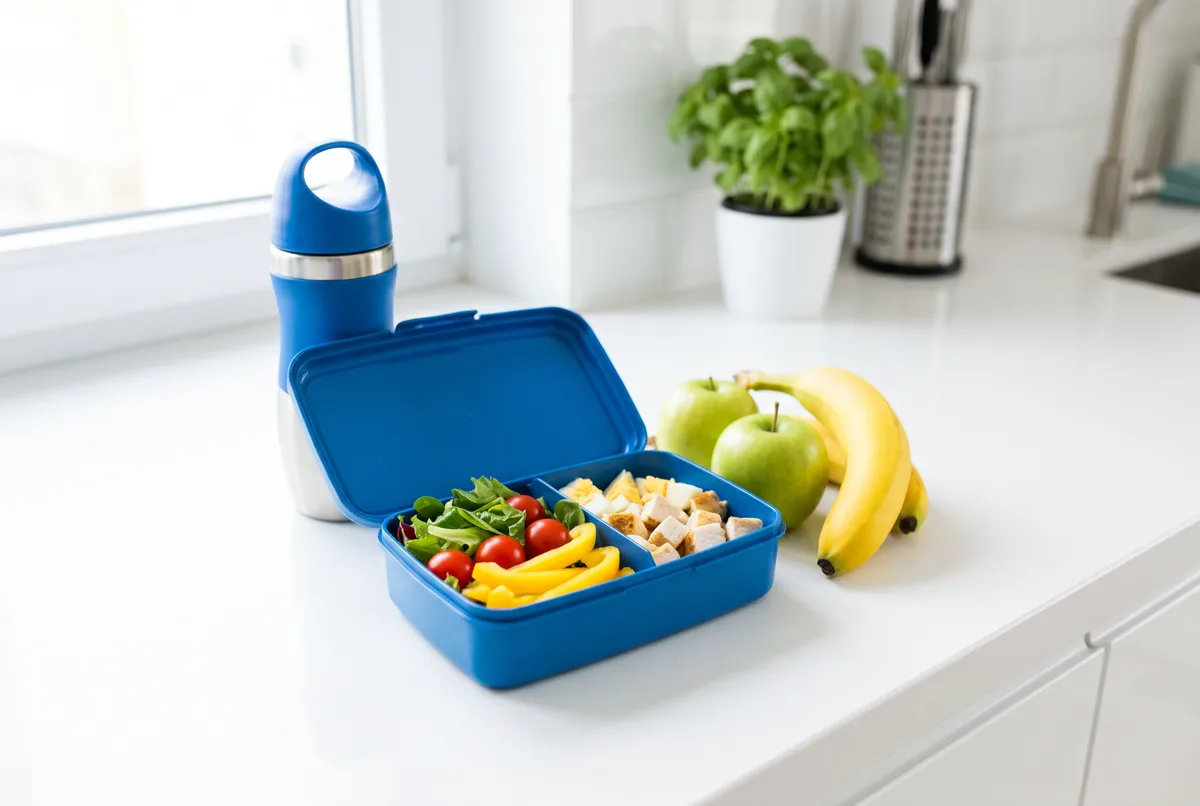
- Take food and water from home when you go out to work or on a day trip.
- Use the public library: besides books, many have films, magazines and free activities.
- Buy and sell second-hand children's clothes, furniture or appliances you no longer use.
- Repair before replacing: a sewing fix or a small spare part is usually much cheaper than buying new.
- Look after your clothes: washing at lower temperatures and treating stains properly makes them last longer.
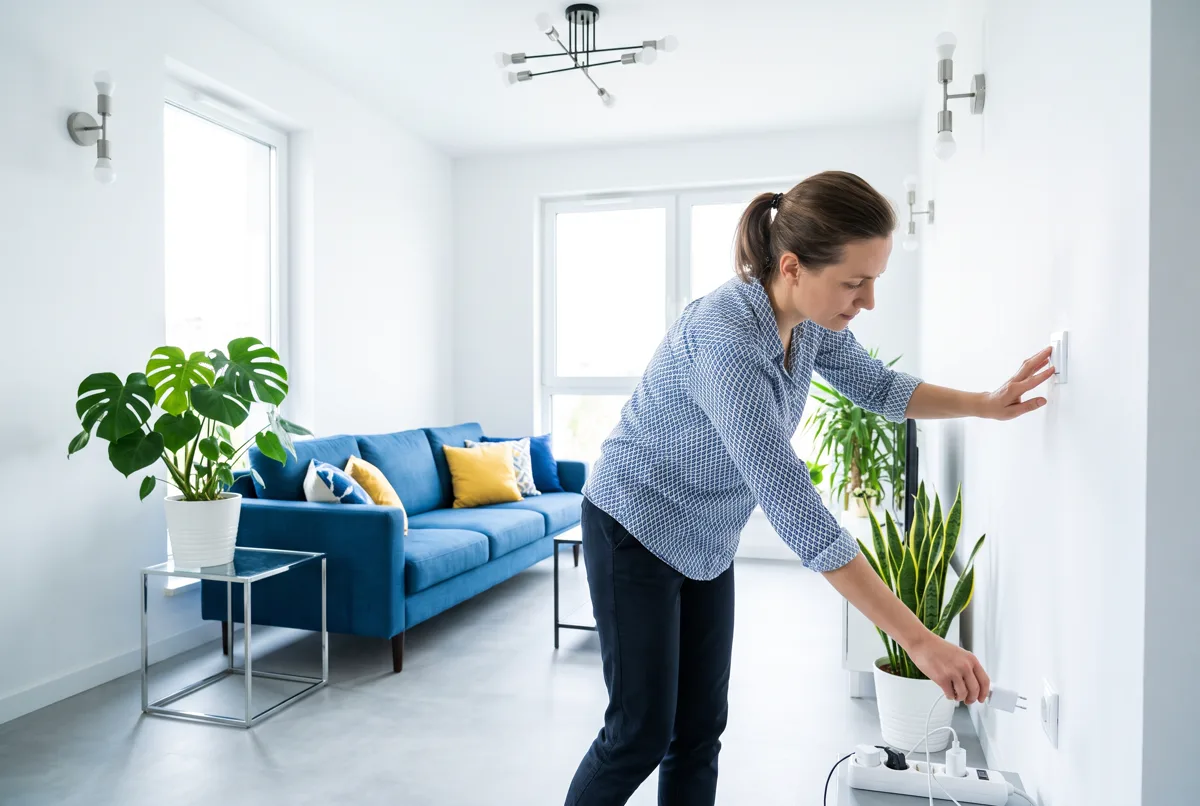
- Switch off appliances on standby with a power strip that has a switch.
Part of impulsive spending comes from tiredness and stress: we buy to give ourselves a quick treat. Having calm, free things to do at home helps curb that impulse. For example, a little time with a relaxing game like "Canvartin: Home Simulator", where you peel potatoes or look after plants to gentle sounds, can be a cheap way to unwind at the end of the day.
If you are looking for more ways to relax without spending, take a look at these anti-stress games on your phone and screen-free.
How to save without effort: automate your saving
What really makes saving work is not depending on willpower. If you wait to see what is left at the end of the month, the usual result is that nothing is left.
- Open a separate account just for savings, preferably with no card linked to it so the temptation isn't at hand.
- Set up an automatic transfer for the same day you get your salary. Even if it is 30 or 50 euros, the habit matters more than the amount.
- Build an emergency fund: the usual goal is to gather the equivalent of three to six months of basic expenses, little by little.
- Put what you save on bills into that same account. If you have cut your electricity bill by 15 euros a month, transfer those 15 euros.
- Set reminders to review your spending once a month. You can use the app "Canvartin: Planner and Appointments", which lets you note down expenses and schedule alerts, or a paper financial planner if you prefer to write by hand.
A simple one-month savings plan
If you don't know how to save without feeling overwhelmed, spread the tasks over four weeks. That way each week you have a small, achievable goal.
| Week | What to do | Approximate saving |
|---|---|---|
| 1 | Review three months of spending and cancel subscriptions you don't use | Approximately 10 to 40 euros per month |
| 2 | Compare electricity tariffs, adjust contracted power and schedule appliances for cheap hours | Approximately 5 to 25 euros per month |
| 3 | Make a weekly menu and shopping list, and try the store brand on basics | Approximately 30 to 80 euros per month |
| 4 | Review insurance, phone contracts and bank fees, and set up the savings transfer | Varies depending on your contracts |
The figures depend a lot on the size of your family, where you live and your current habits. Take them only as a reference to get an idea.
Frequently asked questions
What is the fastest way to save money at home?
Cancel subscriptions you don't use and review your electricity tariff. These are changes you can make in one afternoon, and you will notice them from the following month.
How much should I save each month?
A common guideline is to try to put aside around 10% of your income, but if you can't right now, start with a small amount and increase it gradually.
Is it worth switching to the regulated electricity tariff in Spain?
It depends on your consumption and your schedule. Compare your latest bills with the available offers before deciding.
How can I save if I live alone and earn little?
Focus on what weighs the most: housing, utilities and food. Cooking at home, freezing portions and automating a minimal saving all help a lot, even if your income is tight.
Is it better to track expenses on paper or on your phone?
Whichever one you will actually use. Some people organise themselves better by writing by hand, and others prefer to have everything on their phone.